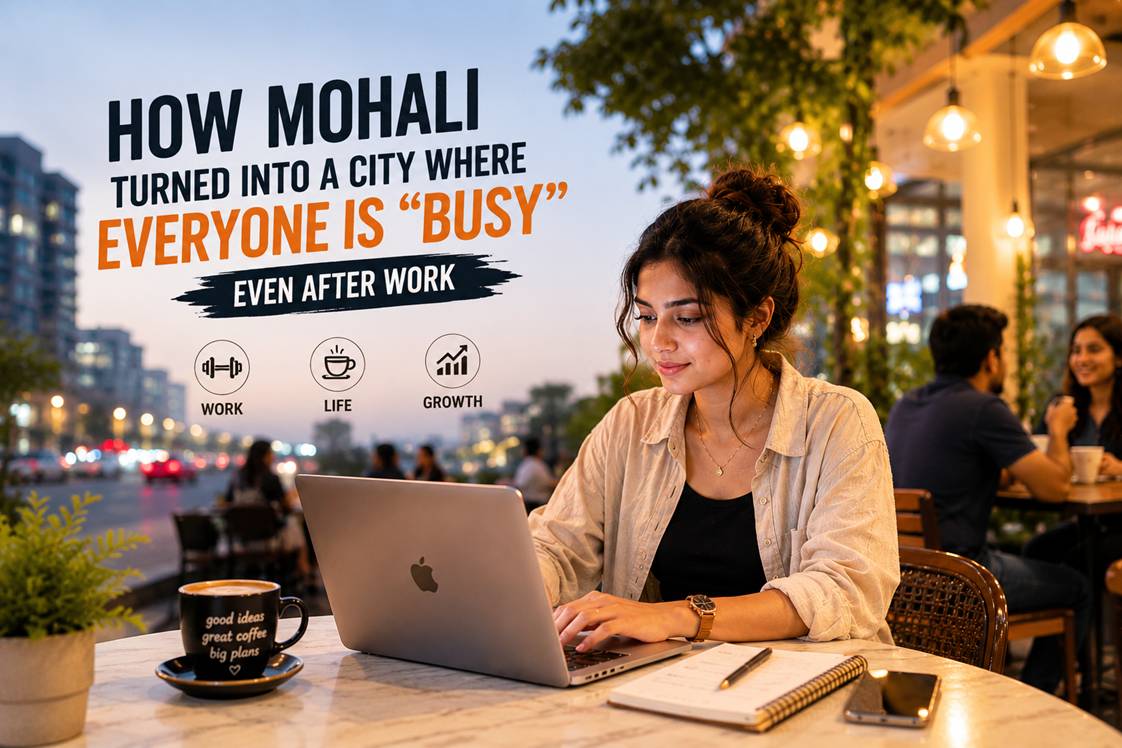
Everyone today appears to be doing something all the time. Gym stories. Café outings. Weekend drives. Startup plans. Productivity reels. Self-improvement content. Travel posts. Hustle culture. Wellness culture. Even relaxation now gets packaged like achievement.
And somewhere in the middle of all this, Mohali quietly became a city where nobody ever seems fully free anymore.
Try making plans with people today and you’ll notice it instantly. Someone has gym timings. Someone has late office work. Someone is editing content. Someone has networking plans. Someone is already out at a café. Even people relaxing often look mentally occupied with something else.
Being “busy” has slowly become part of the city’s identity.
What makes this shift interesting is that Mohali itself still doesn’t physically feel like an exhausting metro. The roads are relatively wider. Distances remain manageable. Traffic is still lighter than Delhi or Gurgaon. Yet mentally, people increasingly behave like they’re living inside a much faster urban system.
A huge reason behind this is how modern work culture has changed.
For many young professionals in Mohali, work no longer ends after office hours. Evenings continue through Slack notifications, client calls, emails, LinkedIn networking, WhatsApp groups, side hustles, and “quick meetings” that quietly stretch late into the night.
People physically leave work.
But mentally, they often never fully disconnect from it.
There’s a certain kind of energy in Mohali right now that’s difficult to ignore.
People are constantly upgrading something. Better gyms. Better cafés. Better apartments. Better skincare. Better cars. Better routines. Better…
Continue readingAnd social media intensifies this feeling every single day.
The internet constantly creates pressure to stay productive, socially active, fit, ambitious, updated, and visible all at once. Someone is launching a startup. Someone is travelling. Someone is getting fitter. Someone is waking up at 5 AM. Someone is learning a new skill. Someone is attending networking events after work.
The result is a city where people increasingly feel guilty doing nothing.
Even downtime now gets optimized.
Morning walks become content. Coffee breaks become aesthetic rituals. Gym sessions become streaks. Weekend relaxation becomes “self-care.” Nights out become social updates. Almost every activity now exists both in real life and online simultaneously.
And Mohali’s evolving lifestyle culture feeds directly into this rhythm.
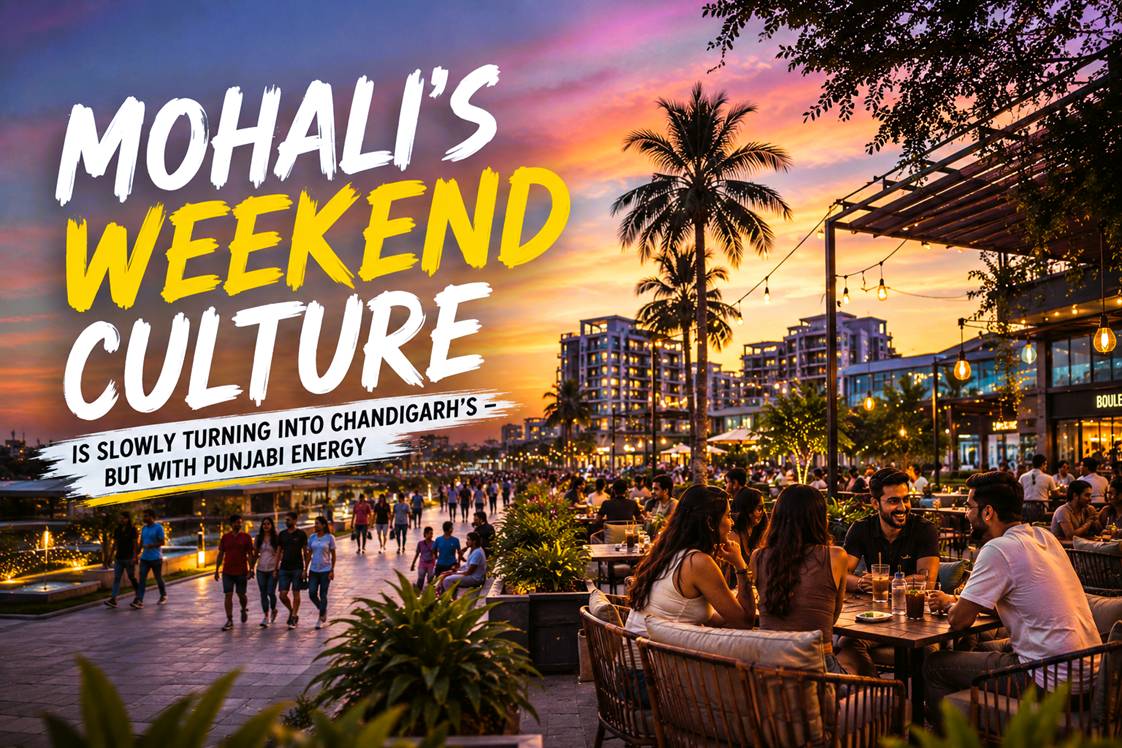
The city now offers endless ways to stay occupied — cafés, fitness spaces, coworking culture, pickleball courts, rooftop social scenes, late-night food spots, wellness routines, content-friendly spaces, and digital communities that continue long after people return home.
As a result, “busy” has become both a real condition and a social personality trait.
Sometimes people genuinely are overloaded. But sometimes being busy itself feels important because it signals ambition, movement, and relevance. Saying “schedule packed hai” now almost sounds socially aspirational.
And honestly, this culture has changed relationships too.
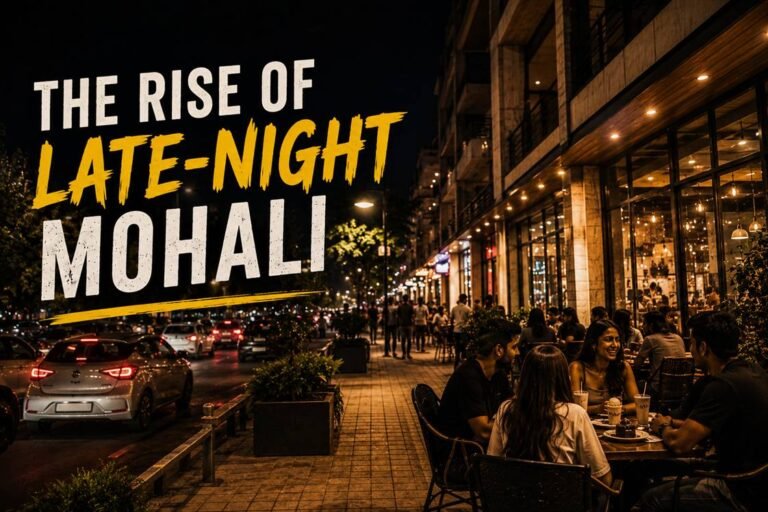
The Rise of Late-Night Mohali: Gyms, Dessert Runs, Drives & 1 AM Hunger
After long office hours, nighttime becomes the only part of the day that actually feels theirs. So people…
Continue readingSpontaneous meetups happen less often. Friendships require planning. Everyone’s routine feels fragmented across work, fitness, social life, and screen time. Even catching up with close friends increasingly needs scheduling.
But underneath all this movement, there’s also quiet exhaustion.
A lot of people in Mohali today are constantly trying to balance career growth, fitness, social visibility, personal branding, relationships, wellness, and entertainment simultaneously. The city’s younger crowd wants to experience everything together — and mentally, that can feel surprisingly heavy.
Yet despite the stress, most people continue participating in this lifestyle because it also feels exciting.
Busy life today represents momentum.
It creates the feeling that something is always happening, something is always building, and life is constantly moving forward.
And maybe that’s the biggest transformation Mohali has undergone over the past few years.
The city no longer feels slow-paced.
It feels like everyone is in the middle of becoming something.
Even after work.


Comments