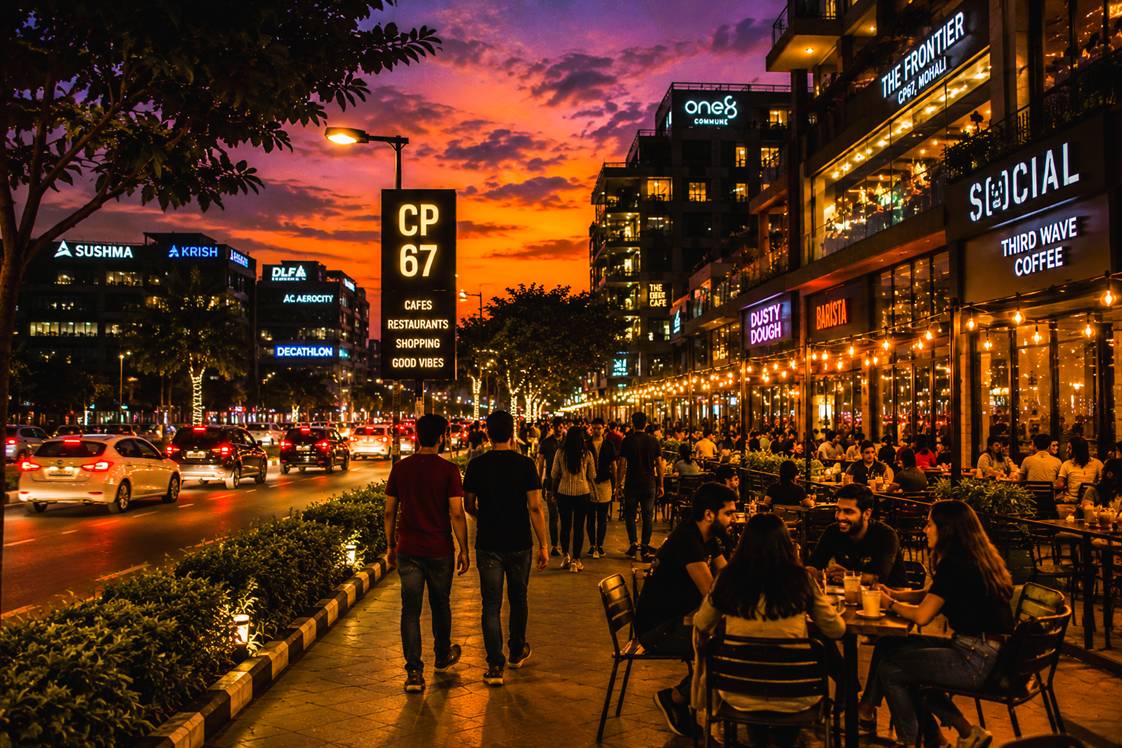
Ten years ago, Mohali evenings were quieter. Most sectors would start shutting down early. Families stayed indoors, markets had fixed peak hours, and nightlife barely existed outside a few pockets. Today, the city behaves very differently after sunset.
Around 7 PM, something shifts across the city.
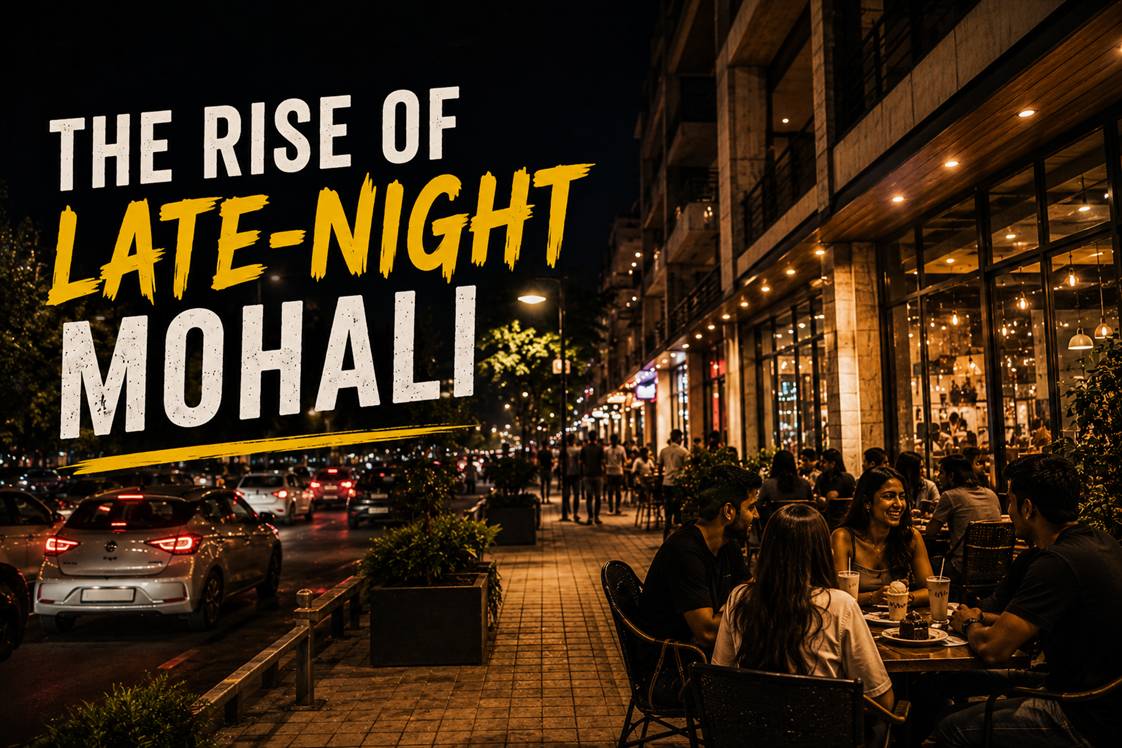
Office lights begin turning off, gym parking starts filling up, cafés become louder, dessert spots get crowded, and roads near CP67 suddenly slow down with evening traffic. Mohali starts feeling less like a calm residential city and more like a place with its own social rhythm.
And the change didn’t happen because of one mall, one café, or one road. It happened because Mohali itself became younger.
A huge part of the city today consists of working professionals, startup employees, students, gym-going young adults, freelancers, and people whose social life begins only after work ends. For them, evenings are no longer “winding down” time. Evenings are when the day actually starts feeling personal.
That shift is visible almost everywhere now.
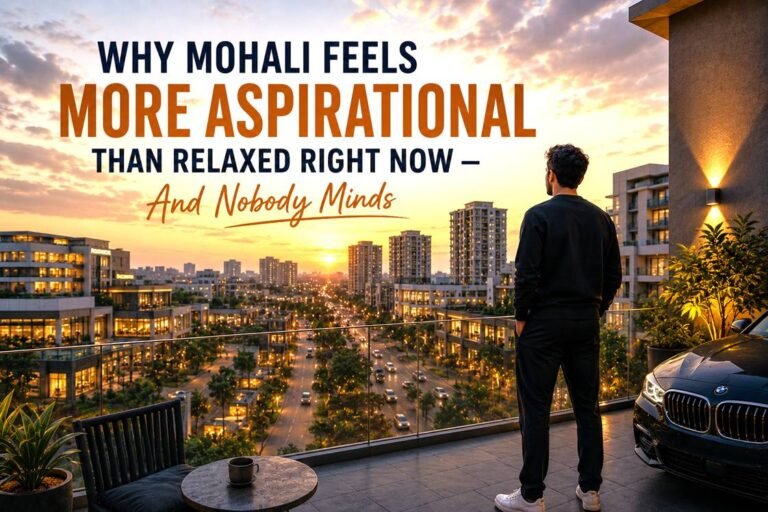
There’s a certain kind of energy in Mohali right now that’s difficult to ignore.
People are constantly upgrading something. Better gyms. Better cafés. Better apartments. Better skincare. Better cars. Better routines. Better…
Continue readingDrive through Sector 68, Sector 79, Phase 11, CP67, or newer commercial pockets after sunset and you’ll notice how different the crowd feels compared to daytime Mohali. Office wear gets replaced by casual outfits. Cafés stay active till late. Rooftop restaurants begin filling up. Cars line up outside tea spots and dessert cafés. Even ordinary streets start feeling more social.
Mohali’s evening culture today revolves around movement.
People rarely stay in one place for the entire night anymore. A normal evening routine now often includes gym, coffee, a quick food stop, maybe a drive, maybe dessert, or simply sitting somewhere with friends for hours without any fixed plan. The city’s younger crowd has slowly built an entire lifestyle around post-work hours.
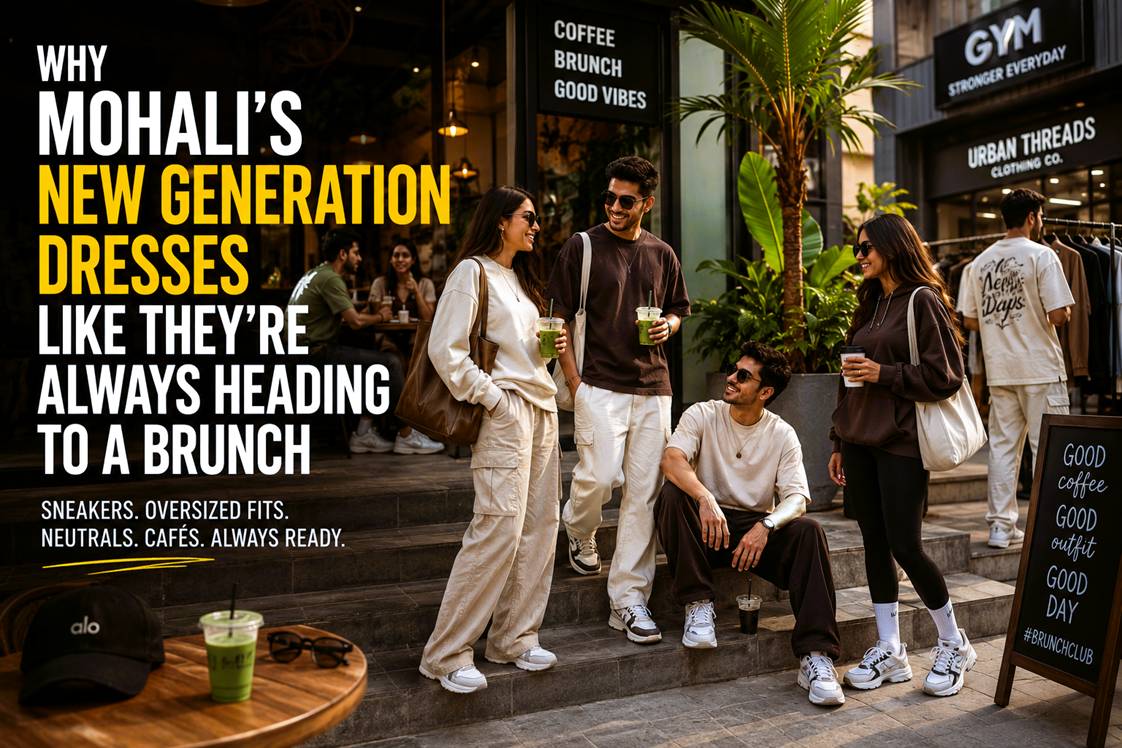
And unlike Chandigarh’s more polished nightlife image, Mohali’s evenings feel less formal and more comfortable. You’ll see people stepping out in oversized hoodies, gym wear, cargos, sneakers, or office clothes directly after work. There’s less pressure to “dress up” and more focus on simply spending time outside.
That relaxed energy is part of what people enjoy.
Another major shift is how social behaviour has changed. Earlier, evenings were mostly family-oriented. Today, Mohali’s nights belong equally to couples, friend groups, solo café visitors, fitness communities, and late-night food crowds.
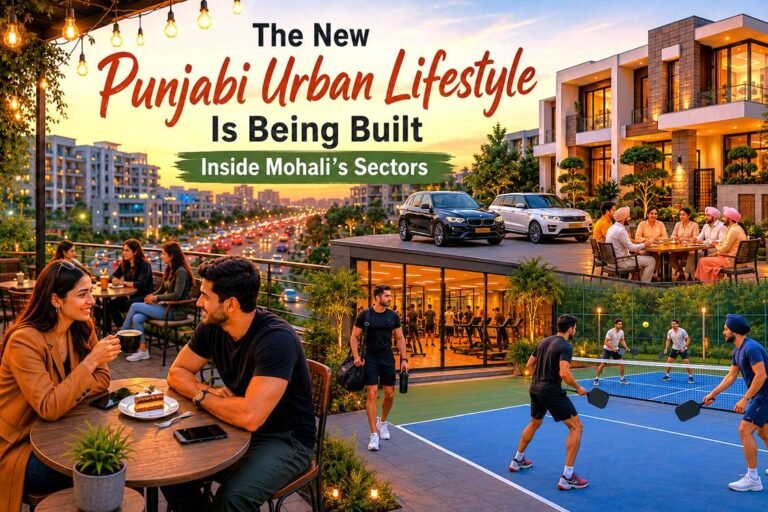
The New Punjabi Urban Lifestyle Is Being Built Inside Mohali’s Sectors
A lifestyle where rooftop cafés exist five minutes away from family kothis. Where gym culture, luxury perfumes, and…
Continue readingEven eating habits have changed with the city.
Places serving coffee, desserts, momos, burgers, shakes, Korean snacks, or late-night chai are often busiest at hours when older Mohali would usually start shutting down. Many cafés and food spots now design their entire atmosphere around evening crowds because that’s when the city feels most alive.
Social media has amplified this transformation further. People actively search for places where evenings “feel good” — rooftop seating, ambient lighting, aesthetic interiors, wide roads for drives, live music corners, and spaces that feel social without being chaotic.
Mohali has quietly adapted to that demand.
What’s interesting is that the city still doesn’t officially project itself as a nightlife destination. Yet every year, its evening culture keeps expanding — not only through clubs or lounges, but through everyday lifestyle habits.
People now step out more casually. Plans happen faster. Even short outings feel normal instead of “special.”
And maybe that’s the biggest shift of all. Mohali no longer feels like a city people only return home to at night. Increasingly, it feels like a city people actively experience after sunset.

Comments