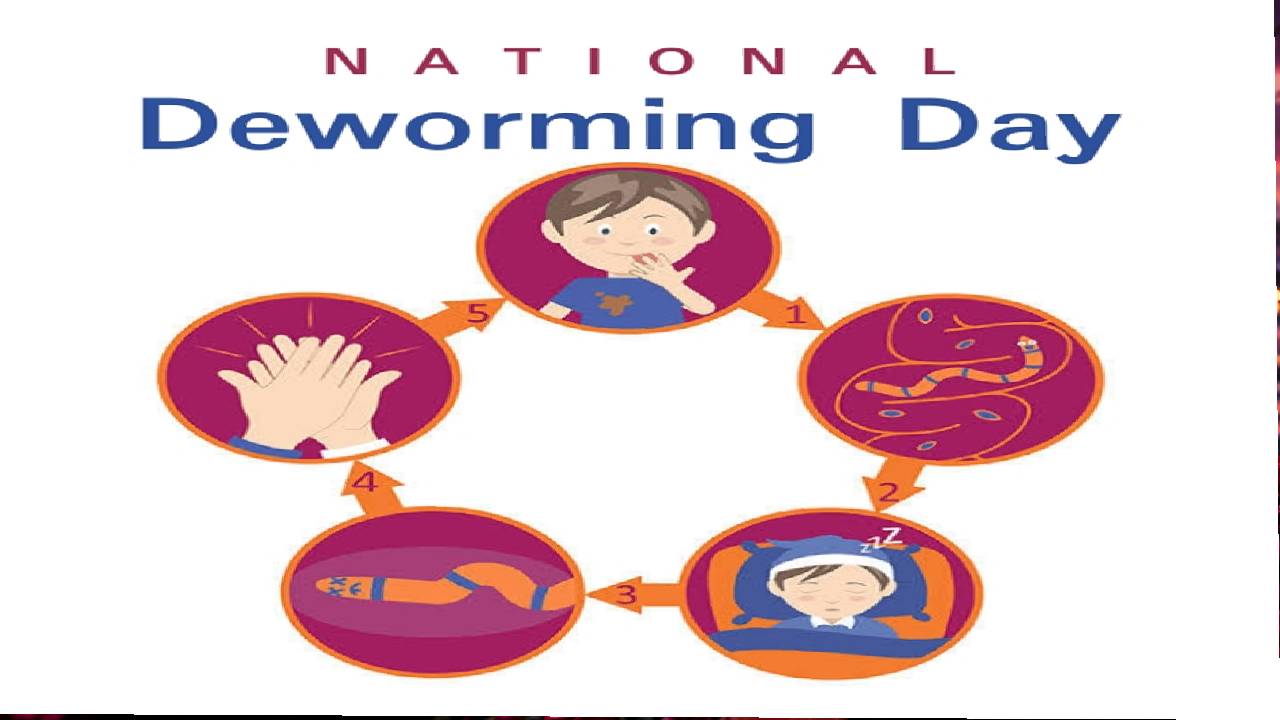
Mohali: A health awareness programme was organised at the School of Eminence, Phase 11, Mohali, to mark National Deworming Day, bringing together students, teachers, health officials and civic representatives to promote awareness about intestinal worm infections, hygiene and preventive healthcare.
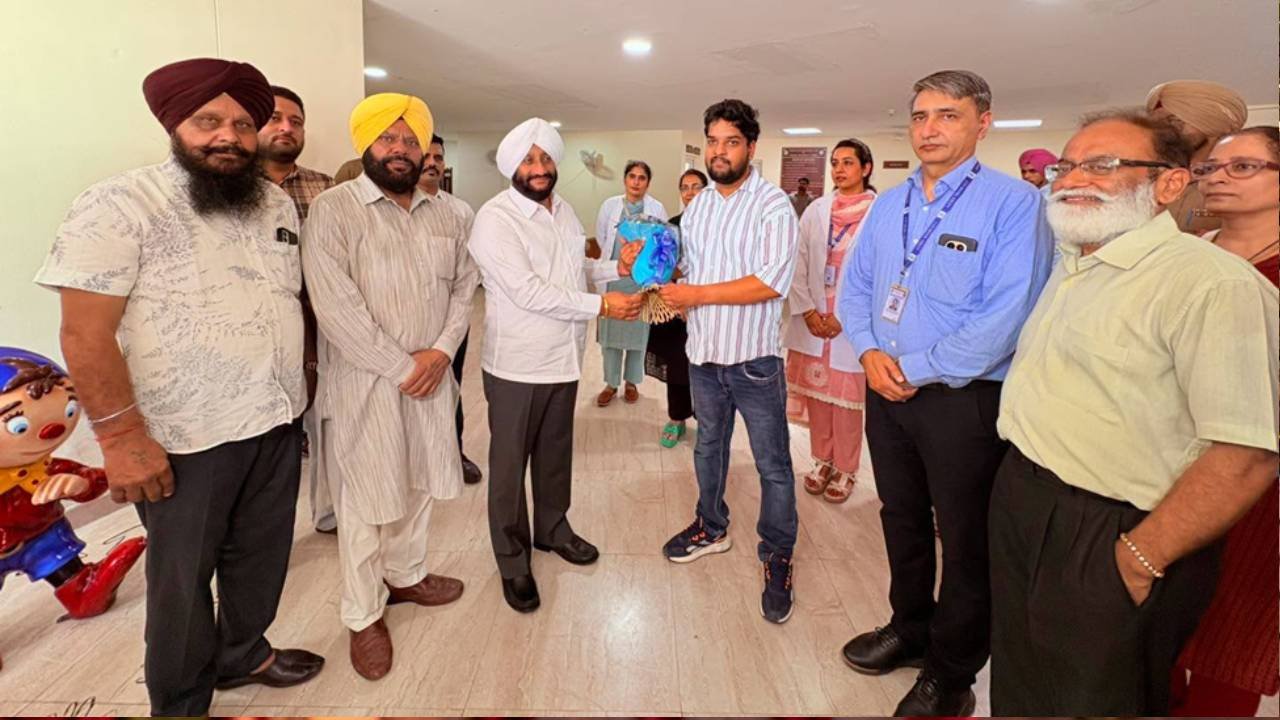
Punjab Health and Family Welfare Minister Dr. Balbir Singh attended the programme along with Mohali Mayor Sarabjit Singh Samana. The event focused on educating students about the importance of regular deworming, personal hygiene, cleanliness and healthy habits.
National Deworming Day is part of India’s public health programme aimed at reducing the burden of soil-transmitted worm infections among children and adolescents. The programme is conducted twice a year, with the second round held on August 10, and covers children and adolescents in the 1–19 years age group through schools and Anganwadi centres. (National Museum of Natural History)
During the awareness programme, students were informed about the importance of maintaining proper hygiene and following preventive health practices. Health officials highlighted how simple daily habits can help reduce the risk of intestinal worm infections and contribute to better overall health.
Dr. Balbir Singh stressed the importance of developing healthy habits among children from an early age. He encouraged students to pay attention to personal cleanliness and follow basic hygiene practices as part of their daily routine.
Punjab Government Schools Get New Focus Under Mann Government’s Education Reforms
Punjab News: Government schools across Punjab have witnessed significant changes in recent years as the state government has…
Continue readingThe Health Minister also highlighted measures such as washing hands regularly, keeping fingernails clean and trimmed, wearing footwear, maintaining proper sanitation, washing fruits and vegetables and consuming safe drinking water. Such practices can complement deworming efforts and contribute to healthier living.
The programme also provided an opportunity for students to understand why preventive healthcare is important. Rather than focusing only on the administration of deworming medicine, the awareness activity aimed to explain the broader importance of hygiene, sanitation, nutrition and responsible health practices.
According to the National Health Mission, National Deworming Day was launched in 2015 and aims to reach preschool and school-age children between 1 and 19 years, including both enrolled and non-enrolled children, through schools and Anganwadi centres. (National Museum of Natural History)
Health authorities have emphasised that intestinal worm infections can affect children’s nutritional status and overall development. Regular deworming, together with improved hygiene and sanitation, forms an important part of efforts to protect children from worm-related health problems. (Ministry of Health and Family Welfare)
Mayor Sarabjit Singh Samana also interacted with students and officials during the programme. His participation highlighted the importance of cooperation between health authorities, civic institutions and educational organisations in promoting public health awareness.
The Mayor appreciated the efforts of the health teams and school authorities in organising the awareness programme. He emphasised that schools can play an important role in helping children understand healthy habits and encouraging them to share useful health messages with their families.
Kulwant Singh Interacts with Residents, Assures Resolution of Genuine Public Issues
Mohali: MLA Kulwant Singh met residents from different parts of the Mohali constituency during a public interaction programme…
Continue readingSpeaking on the occasion, Dr. Balbir Singh said that health awareness should begin at an early age and that children must be encouraged to make cleanliness and personal hygiene part of their everyday lives. He stressed that preventive healthcare, awareness and responsible habits can make an important contribution to improving the health of communities.
Mayor Sarabjit Singh Samana said that programmes such as National Deworming Day help connect students with important health messages in a simple and practical manner. He appreciated the participation of students, teachers, health officials and other stakeholders in the awareness initiative.
The programme at the School of Eminence also reinforced the importance of creating awareness beyond the classroom. Students were encouraged to carry messages about hygiene and preventive healthcare to their homes and communities, helping spread awareness among family members as well.
National Deworming Day is designed as a school- and Anganwadi-based public health initiative, with mop-up activities generally used to reach eligible children who may miss the scheduled deworming day. (National Museum of Natural History)
The Mohali programme therefore combined the objectives of the National Deworming Day campaign with a wider message about cleanliness, nutrition, sanitation and preventive healthcare. The participation of students and public representatives helped underline the importance of collective efforts in keeping children healthy.
With health awareness programmes being conducted through educational institutions, such initiatives can help children develop healthier habits that continue into their teenage and adult years. The event at School of Eminence, Phase 11, Mohali highlighted the message that protecting children’s health requires not only medical interventions but also continuous awareness, proper hygiene and responsible practices at home, school and within the wider community.


Comments