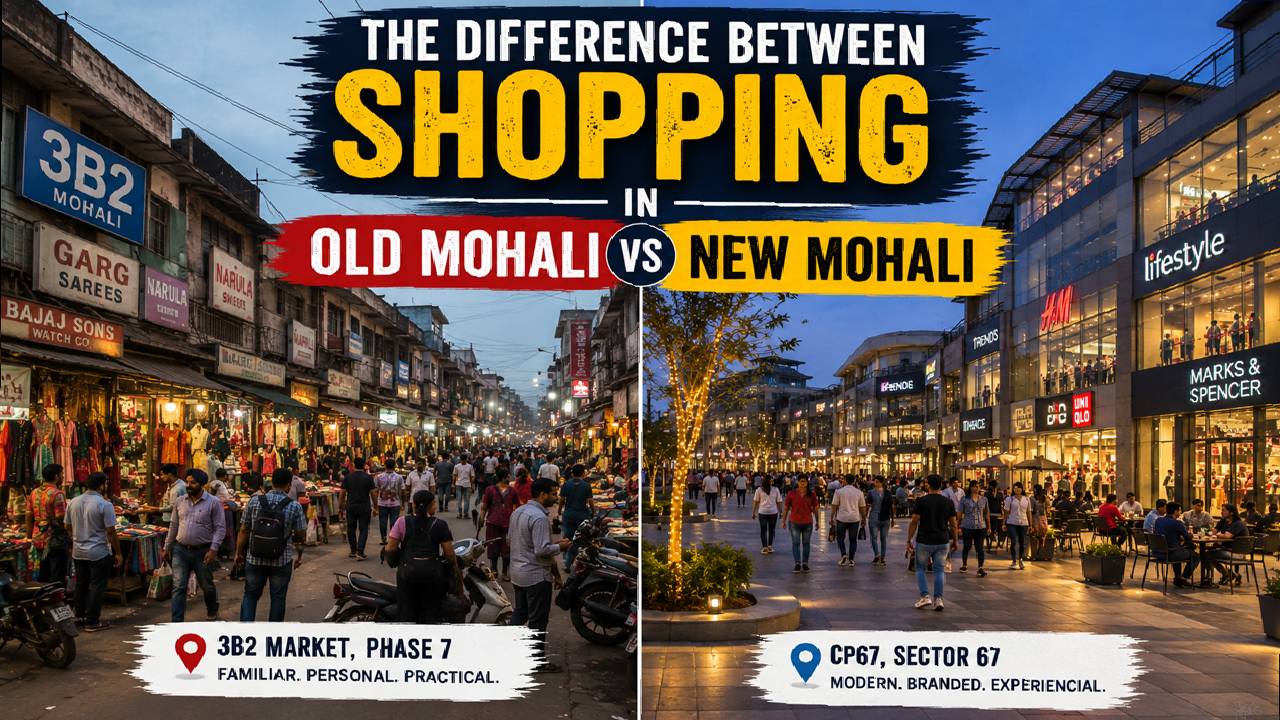
A resident who moved to Mohali twenty years ago and a resident who moved here two years ago often shop in completely different versions of the same city.
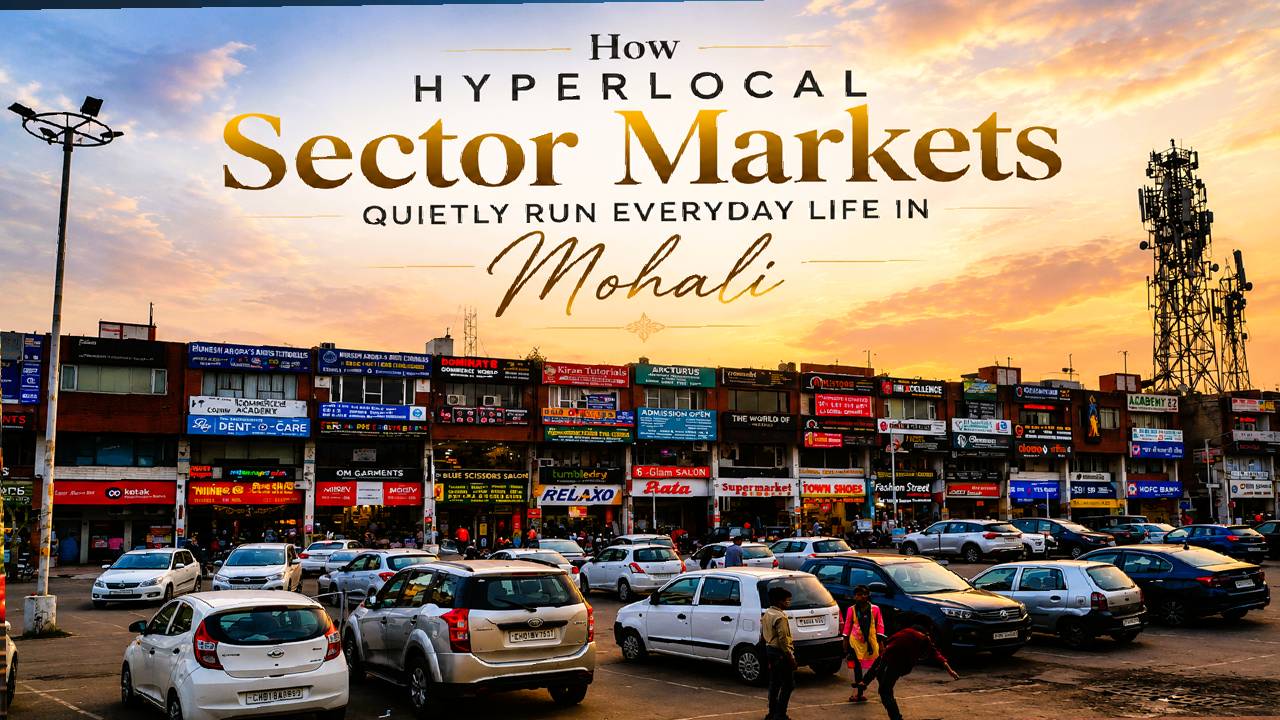
One spends weekends in 3B2, local sector markets, and weekly bazaars.
The other might head to CP67, Sector 82, Aerocity commercial hubs, or newer lifestyle retail spaces.
Both are shopping in Mohali.
But the experience feels remarkably different.
That’s because the city now operates through two parallel shopping cultures — old Mohali and new Mohali.
Neither is replacing the other.
They simply serve different needs.
Old Mohali shopping is built around familiarity.
Markets like 3B2, Phase 7, and traditional sector markets evolved over decades. They were never designed as lifestyle destinations. They became important because residents used them repeatedly for everyday life.
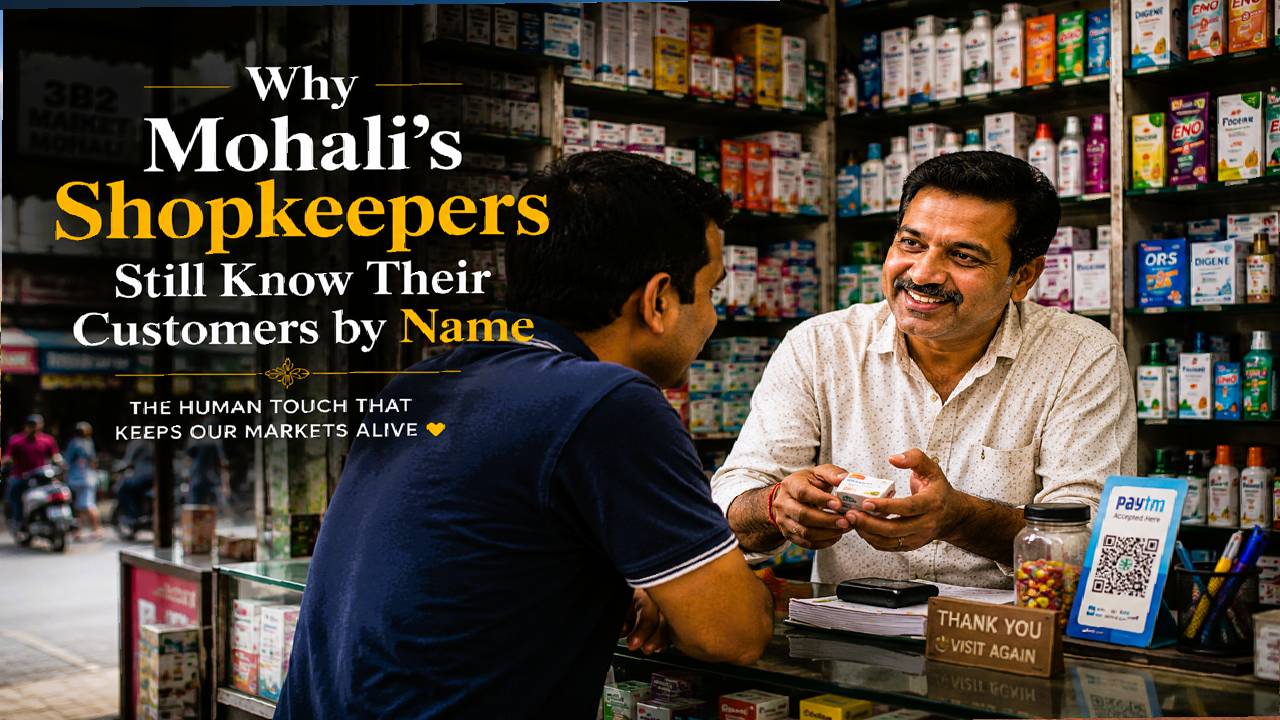
People know where the chemist is.
They know which bakery they trust.
They know which shopkeeper has been there for years.
Shopping in these markets often feels personal.
You arrive with a purpose.
You complete multiple errands.
You run into familiar faces.
You leave after spending more time than expected.
The market functions almost like a neighborhood extension.
New Mohali shopping works differently.
Areas like CP67, Sector 82’s newer commercial developments, and emerging Aerocity retail zones are built around experience as much as utility.
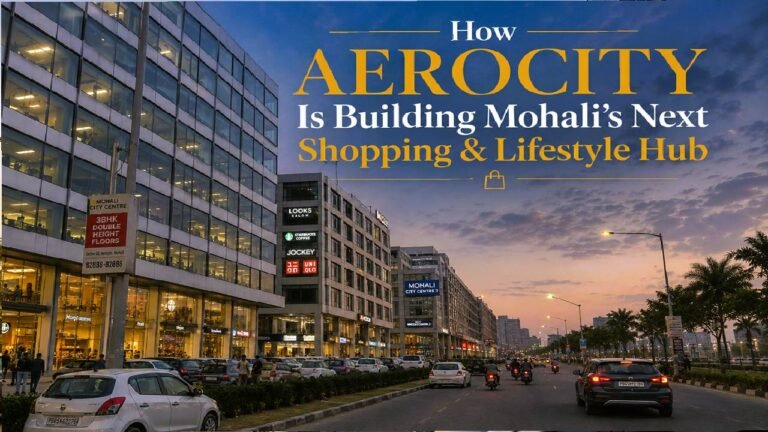
How Aerocity Is Building Mohali’s Next Shopping & Lifestyle Hub
For years, Mohali’s shopping map was relatively easy to understand. If you wanted established retail, you went to…
Continue readingThe architecture is newer.
The storefronts are larger.
The brands are more visible.
The spaces are designed to encourage browsing, dining, and spending time rather than simply completing purchases.
People often arrive without a shopping list.
They’re there for the environment.
A movie.
Dinner.
Coffee.
A weekend outing.
Shopping becomes part of a broader leisure experience.
The contrast becomes especially visible in how people move through these spaces.
In old Mohali markets, movement feels practical.
People walk quickly between stores.
They compare prices.
They negotiate.
They know exactly where they’re going.
In newer commercial districts, movement feels slower.
People browse.
Window-shop.
Take photos.
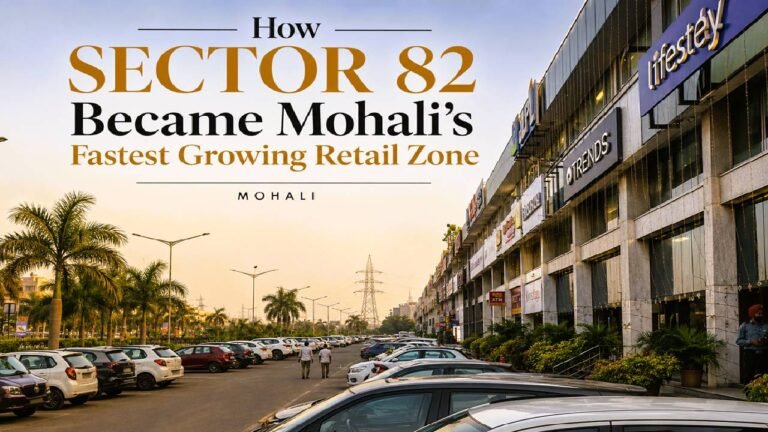
How Sector 82 Became Mohali’s Fastest Growing Retail Zone
Ten years ago, very few people would have described Sector 82 as one of Mohali’s important shopping destinations.…
Continue readingSit longer.
The destination itself becomes part of the attraction.
Even the businesses reflect this difference.
Old Mohali markets remain dominated by local retailers, independent businesses, family-run stores, service providers, and long-established commercial relationships.
New Mohali increasingly revolves around branded retail, chain restaurants, cafés, entertainment venues, and lifestyle-oriented businesses.
Neither model is inherently better.
In fact, the most interesting thing about Mohali is that both continue thriving simultaneously.
Residents still buy festival items from older markets.
Families still visit weekly bazaars.
People still rely on sector markets for daily shopping.
At the same time, they spend weekends at modern retail destinations.
The city never abandoned its older shopping culture.
It expanded it.
That’s why Mohali feels different from many rapidly growing urban centers.
The old commercial core still matters.
The new commercial districts continue growing.
And most residents comfortably move between both worlds.
A morning errand might happen in 3B2.
A weekend evening might happen at CP67.
Both experiences feel completely different.
Both feel distinctly Mohali. And together, they tell the story of how the city’s shopping culture has evolved over the last two decades.

Comments