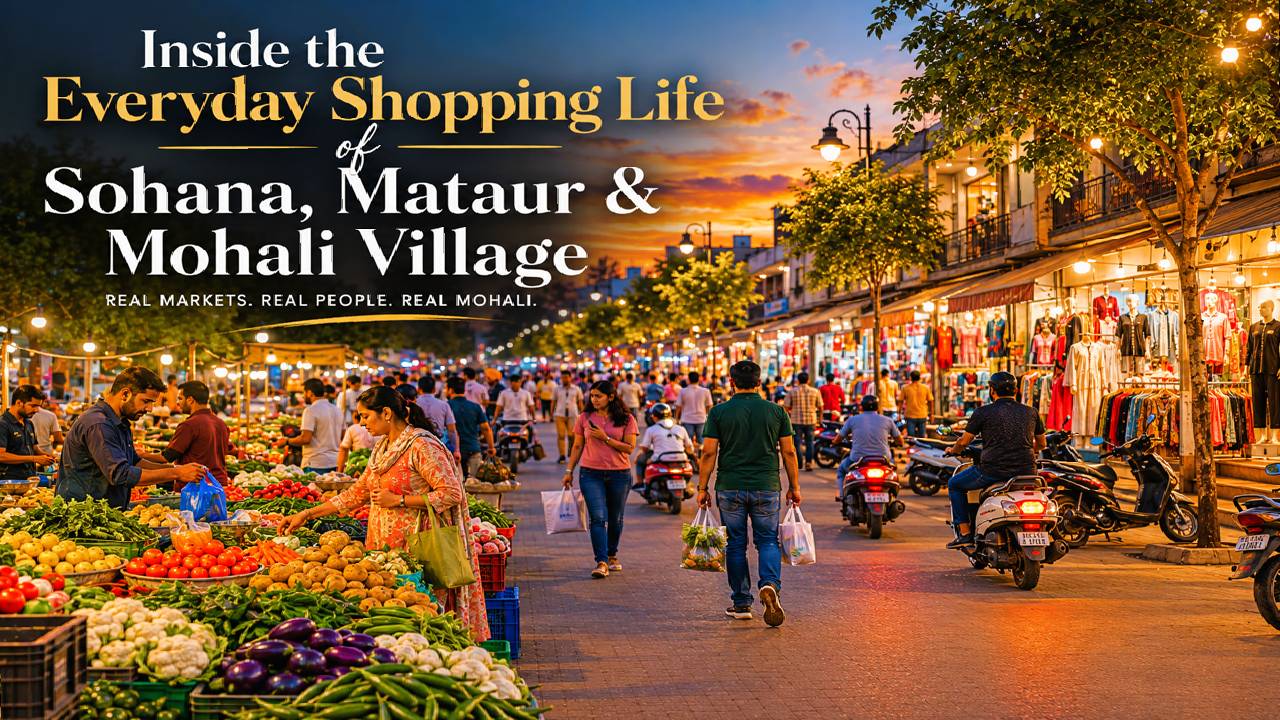
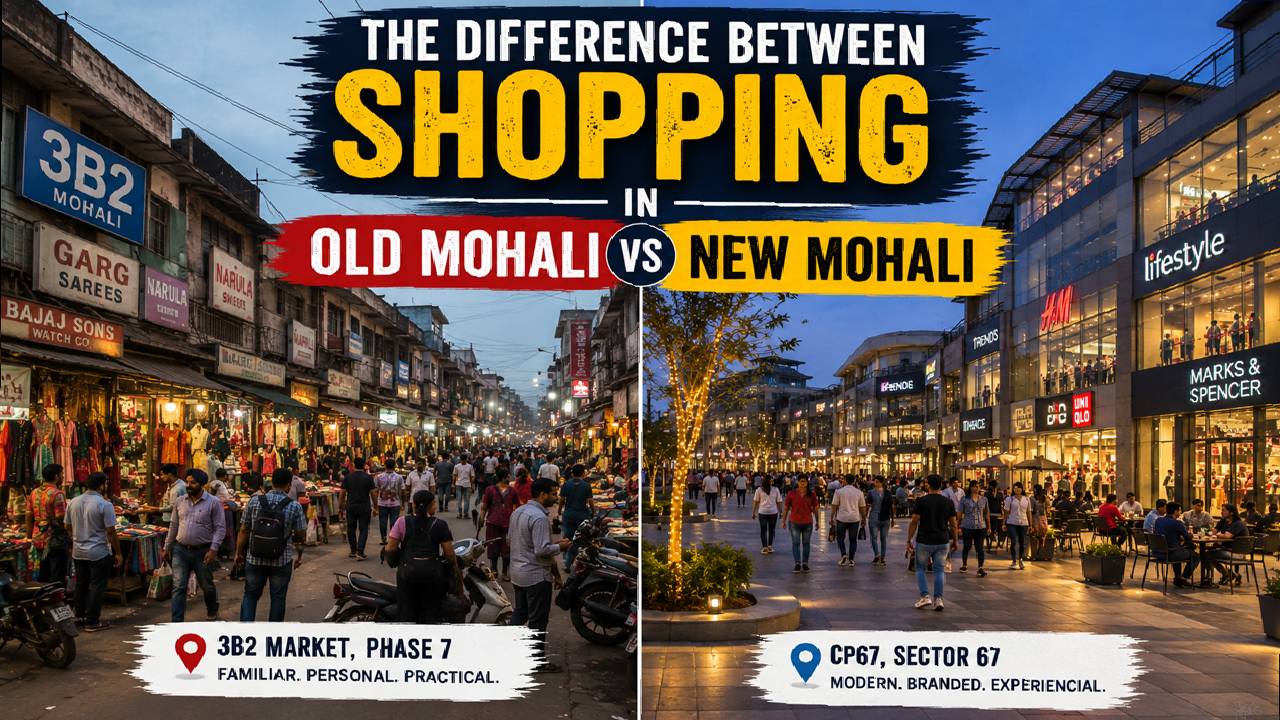
When people think about shopping in Mohali, names like 3B2 Market, Phase 7 Market, Sector 70, and CP67 usually dominate the conversation. These places represent some of the city’s most visible and well-known commercial destinations. But beyond these popular markets exists another side of Mohali’s shopping culture—one that operates every day in Sohana, Mataur, and Mohali Village.
These are not destination shopping districts.
They are the markets where everyday life happens.
Unlike places where people arrive for a planned evening out, shopping in these localities is woven directly into daily routines. The markets here are not built around experiences, brands, or leisure. They are built around necessity.
People come to buy vegetables for dinner, pick up groceries for the week, visit the chemist, recharge their phones, get household items repaired, purchase stationery, or grab a quick meal before heading home.
The purpose is simple, but the activity never stops.
Walk through these areas during the evening and you’ll find a version of Mohali that feels very different from the city’s better-known commercial hubs. Narrower market lanes remain busy with movement. Grocery stores see a steady stream of customers. Fruit and vegetable vendors occupy busy corners. Dairy booths attract regular queues. Small eateries serve customers continuously.
The rhythm feels practical, fast-moving, and deeply connected to everyday life.
Sohana, Mataur, and Mohali Village also serve a diverse population that relies heavily on these markets. Students living in PG accommodations shop here because it is affordable and convenient. Working professionals stop on their way home. Long-time residents continue using the same businesses they have trusted for years. Migrant workers, shop owners, renters, and families all share the same commercial spaces.
As a result, these markets often feel more socially mixed than many modern retail destinations.
Relationships matter here.
How Aerocity Is Building Mohali’s Next Shopping & Lifestyle Hub
For years, Mohali’s shopping map was relatively easy to understand. If you wanted established retail, you went to…
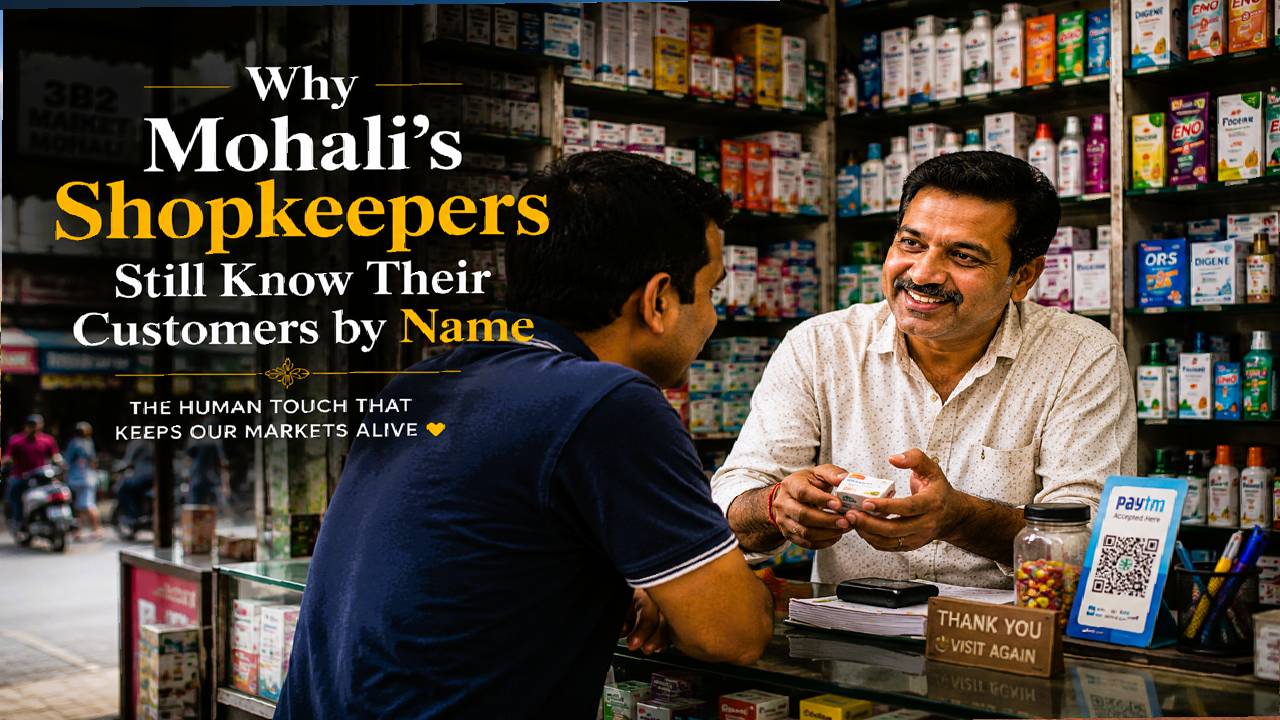
Continue readingShopkeepers recognize repeat customers. Regular visitors know exactly which vegetable vendor they prefer. Local businesses survive through familiarity, trust, and consistency rather than advertising campaigns or brand visibility.
The shopping experience is personal.
People ask for recommendations. Shopkeepers remember preferences. Conversations happen naturally while purchases are being made.
That sense of familiarity is becoming increasingly rare in larger retail environments.
Affordability also shapes almost every aspect of shopping in these areas. Unlike premium commercial zones where lifestyle spending drives activity, these markets revolve around value.
People compare prices.
They know where to find the best deals.
They move between multiple shops before making purchases.
Everyday practicality often matters more than convenience.
Food culture adds another layer to the atmosphere.
As the day progresses, tea stalls, bakeries, local dhabas, fast-food counters, and small restaurants become gathering points for the surrounding neighborhoods. Students stop for snacks. Workers meet colleagues after shifts. Families pick up takeaway dinners. Friends gather without making elaborate plans.
How Sector 82 Became Mohali’s Fastest Growing Retail Zone
Ten years ago, very few people would have described Sector 82 as one of Mohali’s important shopping destinations.…
Continue readingThe market gradually transforms from a commercial space into a social one.
And that’s what makes these localities so important to understanding Mohali.
A city’s identity is often shaped by its biggest malls, newest developments, and most visible commercial projects. But the reality of urban life is usually found somewhere else.
It is found in the markets people depend on every single day.
The places where groceries are bought.
Meals are picked up.
Bills are paid.
Small purchases are made.
And familiar faces appear again and again.
Sohana, Mataur, and Mohali Village may never become Mohali’s most glamorous shopping destinations.
But they remain among its most essential. Because while malls and lifestyle districts help define how Mohali presents itself, these markets continue to define how Mohali actually lives.

Comments