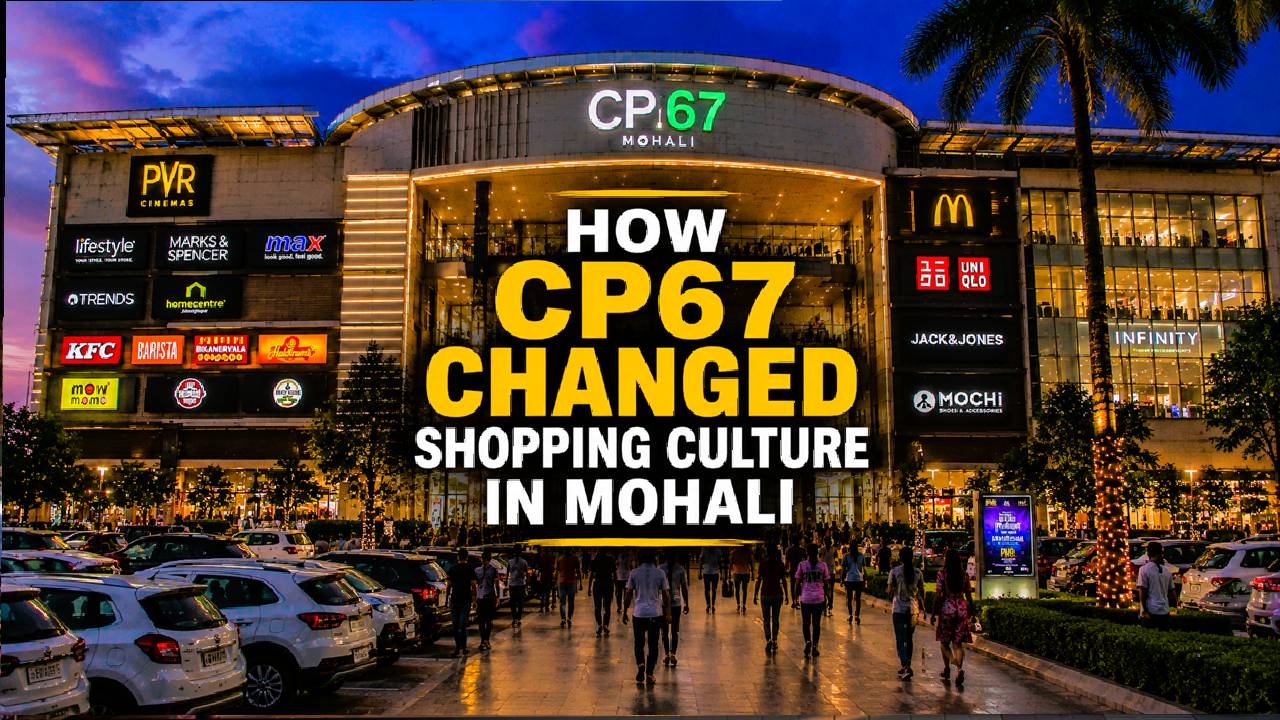
For decades, shopping in Mohali mostly happened in markets. People went to 3B2, Phase 7, Sector 70, local sector markets, or weekly bazaars. Shopping was usually tied to a purpose — buying clothes, running errands, visiting banks, picking up groceries, or eating out.
Then CP67 arrived.
And for the first time, Mohali got a space where people started going without necessarily needing to buy anything.
That shift is what makes CP67 important.
It didn’t just add more shops to the city.
It introduced a completely different way of spending time.
Before CP67, most shopping destinations in Mohali were built around necessity. People visited markets because they needed something. Once the work was done, they usually left.
CP67 changed that pattern.
Suddenly, shopping became part of a larger experience.
People came to watch movies.
To meet friends.
To walk around.
To eat.
To browse stores without specific plans.
To spend an evening without deciding exactly what they wanted to do.
The destination became the activity itself.
How Aerocity Is Building Mohali’s Next Shopping & Lifestyle Hub
For years, Mohali’s shopping map was relatively easy to understand. If you wanted established retail, you went to…
Continue readingThat behavior was relatively new for Mohali.
And it reflected a larger change happening inside the city.
By the time CP67 opened, Mohali had already developed a younger population, growing professional workforce, increasing disposable income, and stronger demand for lifestyle-oriented spaces. The city was no longer functioning only as a residential extension of Chandigarh.
It was beginning to build its own urban identity.
CP67 arrived at exactly the right moment.
The project brought together retail brands, restaurants, entertainment, cafés, and public gathering spaces under one destination. For many residents, it became the first place where shopping, leisure, and social life existed in the same environment.
That changed weekend behavior significantly.
Families started planning evenings around CP67.
Young people began treating it as a regular meeting point.
Movie outings naturally extended into dinners.
Shopping trips became half-day experiences instead of quick errands.
The city’s relationship with retail became more lifestyle-driven.
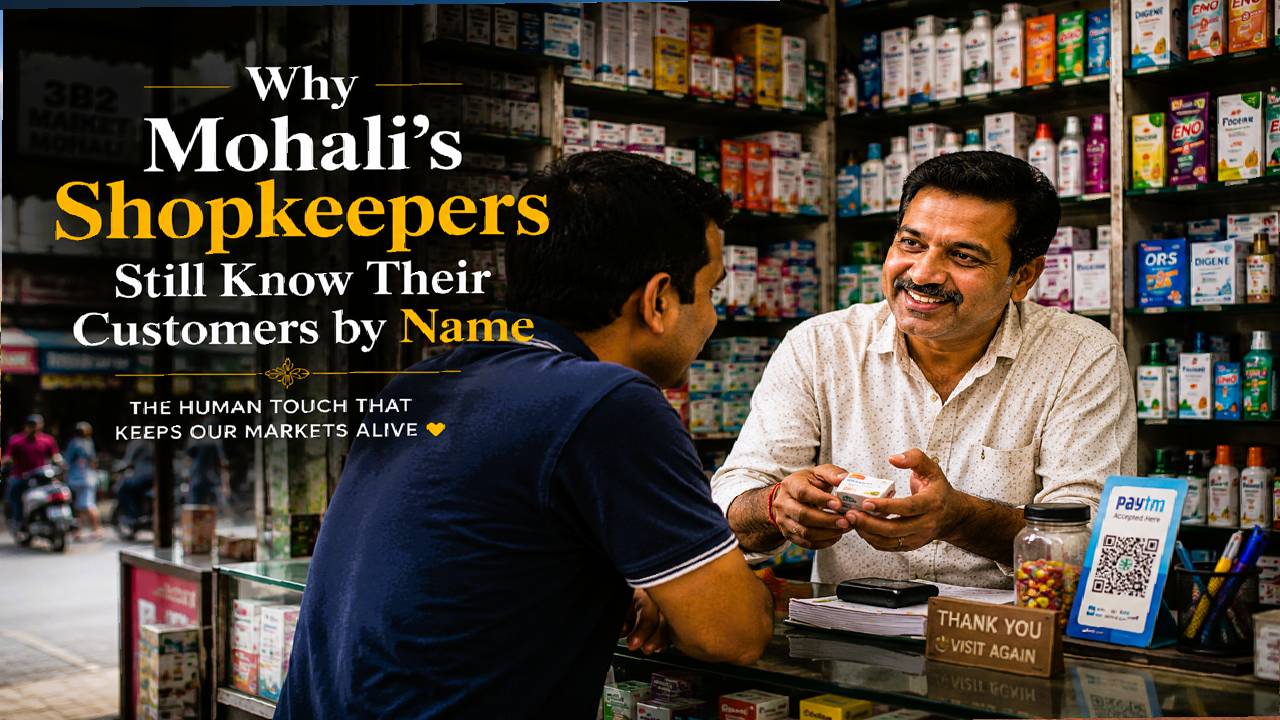
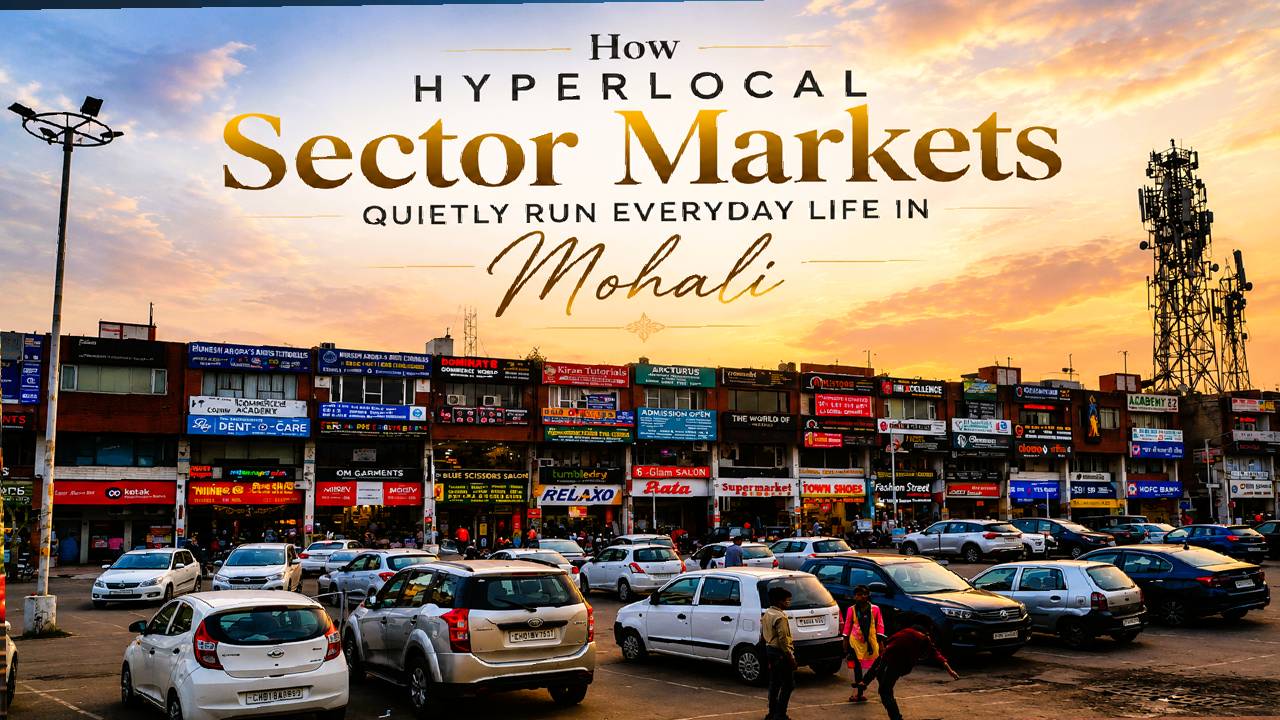
But what makes CP67 interesting is that it never completely replaced traditional market culture.
3B2 remained busy.
How Sector 82 Became Mohali’s Fastest Growing Retail Zone
Ten years ago, very few people would have described Sector 82 as one of Mohali’s important shopping destinations.…
Continue readingSector markets remained relevant.
Weekly markets continued attracting crowds.
People still used local commercial areas for everyday needs.
Instead, CP67 added a new layer to how Mohali shops.
Today, many residents move between both worlds comfortably.
They might buy vegetables from a local market, pick up household items from a sector market, and spend the weekend at CP67.
The city didn’t abandon old shopping habits.
It expanded them.
And that’s why CP67 matters beyond retail.
It marked the moment when Mohali’s shopping culture evolved from being mostly utility-driven to becoming experience-driven as well.
Not a replacement.
A transformation. And in many ways, it signaled Mohali’s transition from a growing satellite city into a city increasingly confident in creating its own lifestyle destinations.

Comments