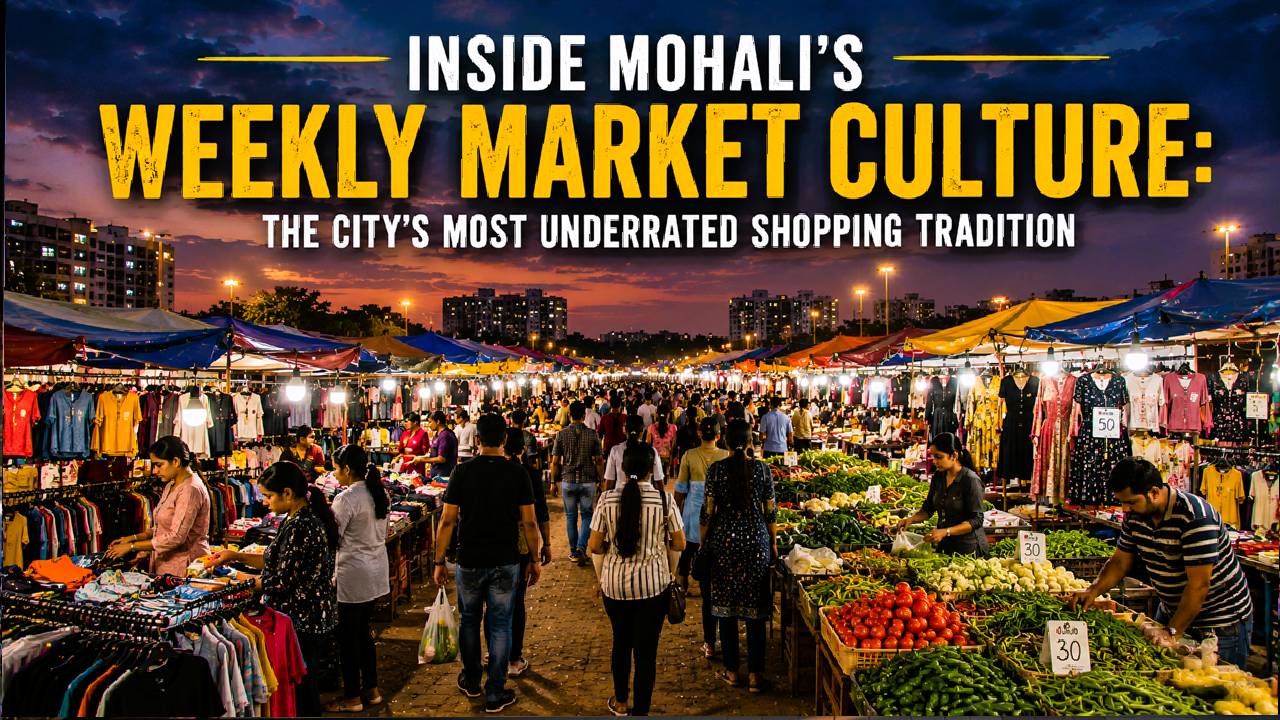
For a few hours every week, an empty ground, a sector road, or an open stretch of land in Mohali transforms into something completely different.
Rows of temporary stalls appear. Vegetable vendors unload fresh stock. Clothing racks emerge from nowhere. Street-food carts take position near entrances. Bargaining begins almost immediately. By evening, the place is packed.
And then, a few hours later, it disappears again.
That temporary nature is what makes Mohali’s weekly markets one of the city’s most fascinating shopping traditions.
Unlike malls, supermarkets, or permanent markets, weekly markets operate on rhythm. Residents know which market appears on which day. Many families have been following those routines for years, planning portions of their weekly shopping around them.
Across different sectors and localities, these markets attract thousands of people every week. Some arrive looking for fresh vegetables. Others come searching for household items, affordable clothing, footwear, toys, kitchen products, or seasonal bargains.
But shopping is only part of the story.
What makes these markets special is the atmosphere they create.
The experience begins long before a purchase is made.
People stop to compare prices between vendors. Neighbours unexpectedly run into each other. Children get distracted by toy stalls. Someone who came to buy vegetables ends up leaving with bedsheets, kitchen containers, and street food.
How Aerocity Is Building Mohali’s Next Shopping & Lifestyle Hub
For years, Mohali’s shopping map was relatively easy to understand. If you wanted established retail, you went to…
Continue readingThe market constantly pulls people into conversations and discoveries they weren’t planning for.
That spontaneity feels increasingly rare in modern retail environments.
Most shopping spaces today are highly organized. Products are categorized. Routes are predictable. Transactions are efficient.
Weekly markets operate differently.
They reward wandering.
One stall sells tomatoes and onions. The next sells winter jackets. A few metres away, someone is selling socks, mobile accessories, plastic buckets, bedsheets, or decorative lights. Nothing feels curated, yet everything somehow works together.
The result feels less like a shopping centre and more like a temporary public event.
And unlike many modern retail spaces that primarily target specific income groups, weekly markets attract an unusually broad cross-section of Mohali.
Middle-class families shop alongside students. Working professionals browse alongside daily wage workers. Elderly residents negotiate prices beside first-time renters furnishing a new PG room.
Few spaces in the city bring together such a diverse mix of people.
How Sector 82 Became Mohali’s Fastest Growing Retail Zone
Ten years ago, very few people would have described Sector 82 as one of Mohali’s important shopping destinations.…
Continue readingThat’s one reason these markets continue surviving despite supermarkets, online delivery apps, and modern retail chains.
They offer something those platforms cannot.
Human interaction.
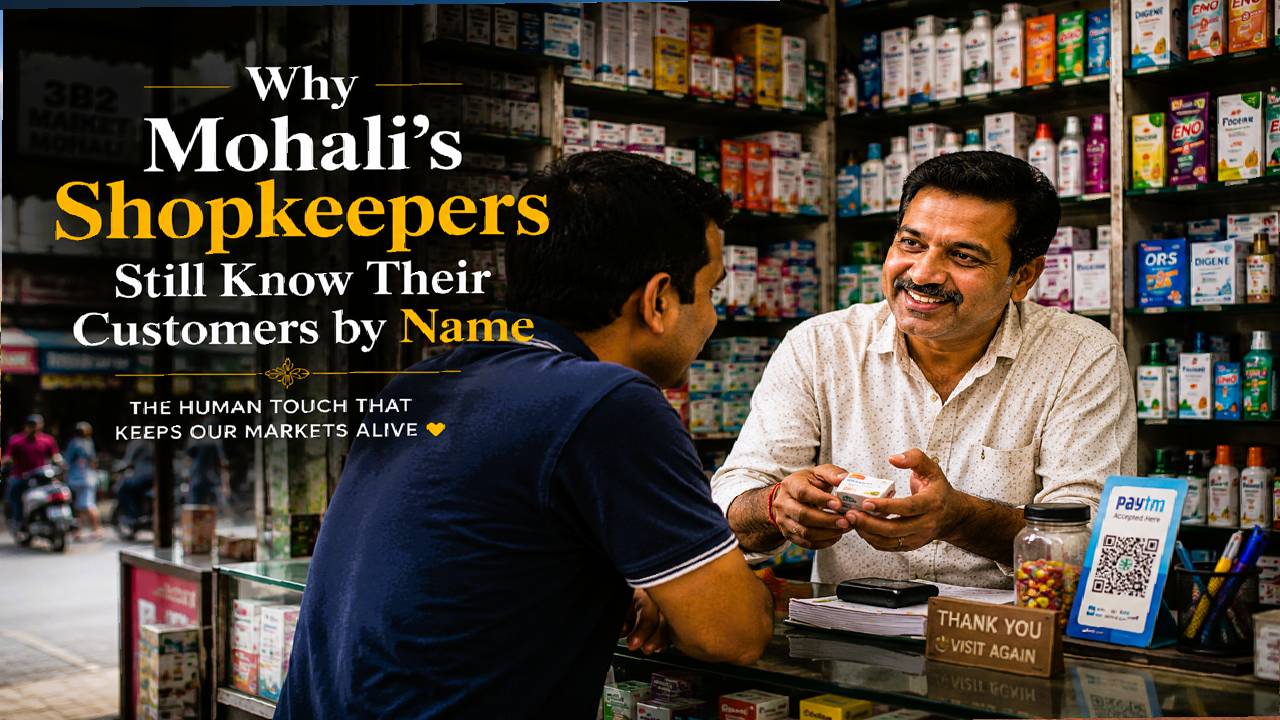
A vendor remembers a regular customer. A buyer returns every week to the same stall. Conversations happen naturally while prices are negotiated. Familiar faces appear repeatedly over months and years.
The market becomes part of people’s routine.
And perhaps that’s why weekly markets continue holding such a strong place in Mohali’s shopping culture.
Because they aren’t competing with malls.
They’re offering a completely different experience.
One built around affordability, community, discovery, and the simple pleasure of spending an evening outdoors among hundreds of other people doing exactly the same thing.
In a rapidly modernizing city, these temporary markets remain one of the few places where shopping still feels social first and transactional second. And that’s what makes them one of Mohali’s most underrated traditions.


Comments