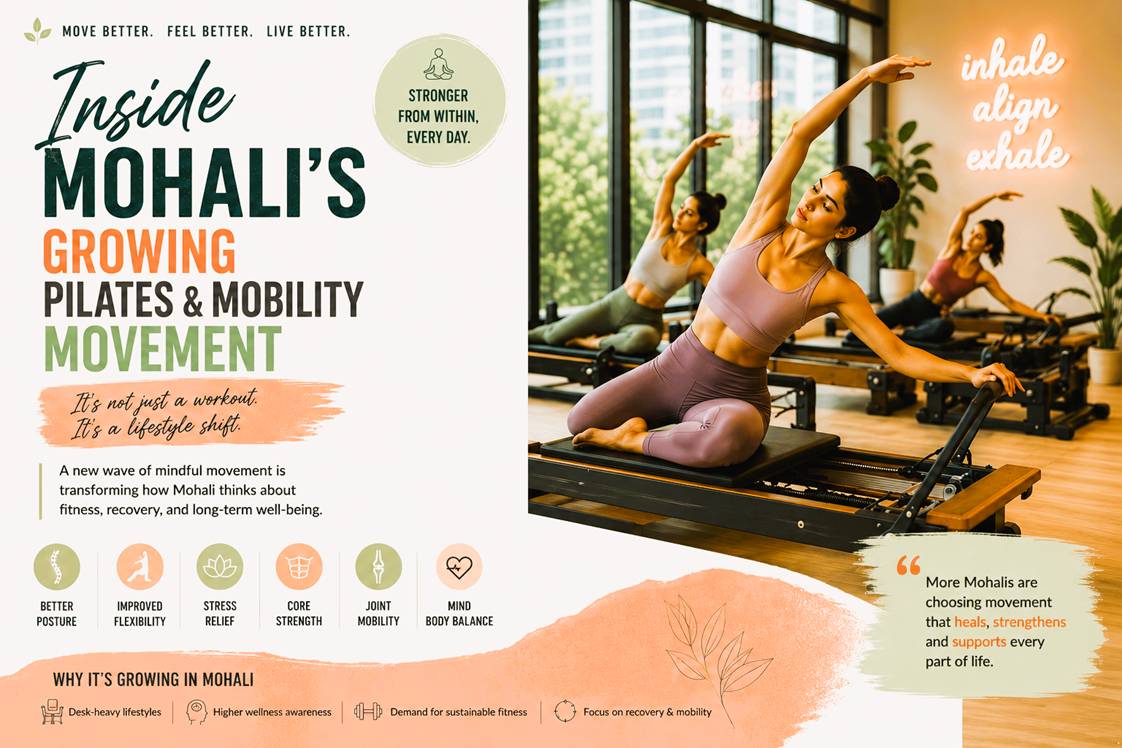
The people walking into Mohali’s newest wellness studios do not look like the city’s traditional gym crowd.
Many arrive carrying office laptops instead of shaker bottles. Some are recovering from back pain caused by long desk hours. Others are young professionals trying to fix posture, body stiffness, stress, or constant physical fatigue that regular gym workouts never fully solved.
And increasingly, they are all turning toward the same thing:
pilates and mobility training.
Over the last few years, Mohali has quietly seen a major rise in low-impact wellness culture. Pilates studios, mobility-focused fitness classes, guided stretching sessions, and recovery-based movement programs are rapidly becoming part of the city’s modern urban lifestyle, especially across areas like Airport Road, Sector 70, Aerocity, and Sector 79.
What makes this shift interesting is that it reflects a completely different way of thinking about fitness.
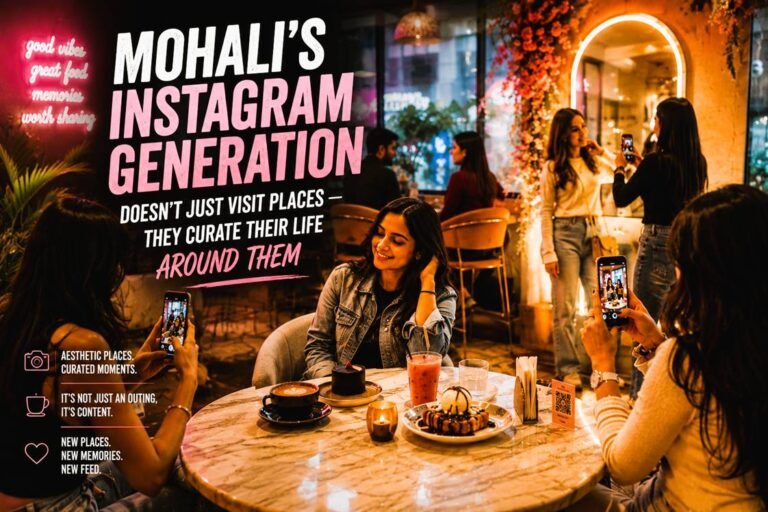
Mohali’s Instagram Generation Doesn’t Just Visit Places — They Curate Their Life Around Them
Spend one evening around Mohali’s newer café pockets or busy social spaces and you’ll notice something interesting very…
Continue readingFor years, most workout culture in cities like Mohali revolved around intensity — harder workouts, heavier lifting, faster transformation goals. But today, many residents are realizing that constantly exhausting the body is not always sustainable, especially while managing demanding work schedules and screen-heavy lifestyles.
As a result, people are becoming more interested in how their body feels rather than simply how it looks.
That change is driving the popularity of pilates and mobility-focused training across the city.
Unlike traditional high-intensity gym sessions, pilates focuses heavily on controlled movement, flexibility, posture correction, balance, breathing, and strengthening smaller support muscles that improve everyday movement. Mobility training follows a similar approach by helping people reduce stiffness, improve joint movement, and prevent long-term body strain caused by inactive routines.
These benefits are becoming increasingly relevant in Mohali’s growing professional culture.
With more people working in corporate offices, startups, and digital industries, physical inactivity has become common even among younger age groups. Long sitting hours, laptop work, irregular schedules, and lack of movement throughout the day are creating problems like neck pain, tight hips, lower-back discomfort, and poor posture.
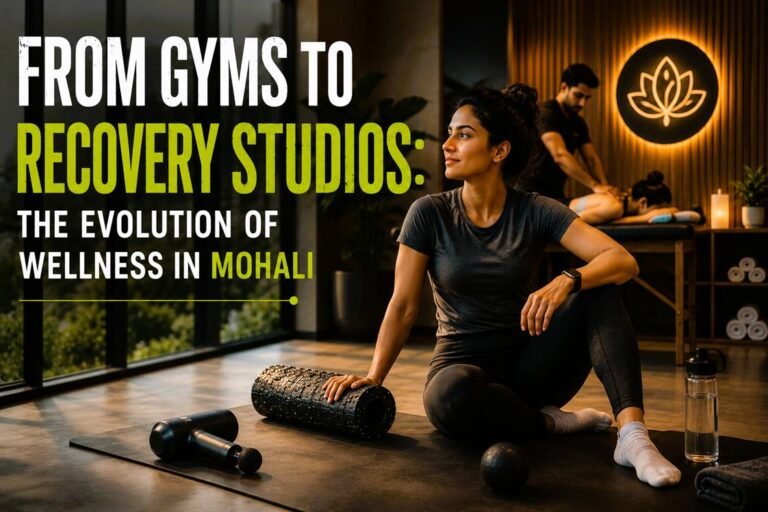
From Gyms To Recovery Studios: The Evolution Of Wellness In Mohali
A few years ago, most fitness conversations in Mohali started with one thing — workouts. Today, they often…
Continue readingTraditional workouts alone often do not fix these issues.
That is why wellness-focused movement programs are finding such strong demand now.
Another reason behind the rise of pilates culture in Mohali is the environment itself. Most studios feel intentionally calm and welcoming compared to older gym spaces. Smaller class sizes, guided instruction, softer interiors, and slower-paced sessions make the experience feel more personal and less intimidating, especially for beginners or people returning to fitness after long gaps.
For many residents, these studios feel less like performance-driven fitness spaces and more like wellness environments designed around long-term health.
Social media and growing awareness around recovery culture have also accelerated this trend. Concepts like flexibility, mobility, posture correction, recovery days, and mindful movement are no longer niche fitness topics. Younger residents are becoming far more informed about sustainable wellness habits than previous generations.
And that awareness is reshaping Mohali’s overall fitness scene.
The city still has a strong gym culture, but wellness is becoming broader now. Recovery, movement quality, flexibility, and mental balance are slowly becoming just as important as strength and aesthetics. In many ways, the rise of pilates and mobility culture reflects the next phase of fitness in Mohali — one that feels smarter, more balanced, and designed for real urban lifestyles rather than short-term transformation trends.

Comments